

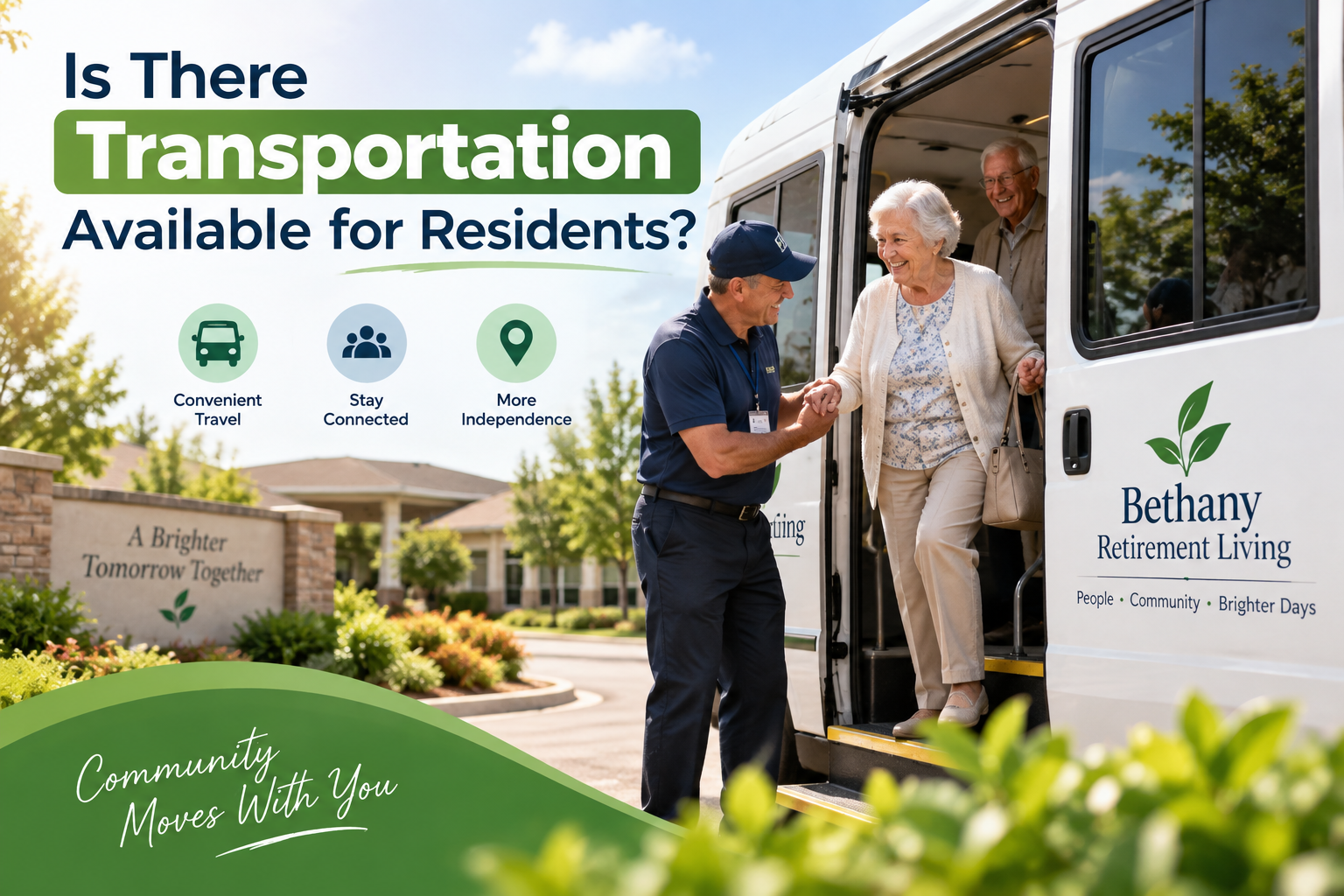
Transportation can be an important consideration when choosing a senior living community. As residents may no longer want to drive or may have different mobility needs, convenient transportation options can make it easier to attend appointments, shop for essentials, participate in activities, and stay connected with family and the wider community.
For people researching Bethanynd.org, understanding whether transportation is available for residents can be an important part of evaluating senior living options. Transportation services may differ depending on the community, location, resident needs, and type of care provided, so families should confirm the current services directly with the specific residence.
Why Transportation Matters for Senior Living Residents
Having access to transportation can support independence and make everyday life more convenient. Residents may need to travel outside the community for medical appointments, shopping, banking, personal errands, or social activities.
Reliable transportation can reduce the need for family members to provide every ride and may give residents more opportunities to maintain their normal routines.
When exploring Bethanynd.org, families can ask about transportation arrangements as part of the overall assessment of available resident services.
What Types of Transportation May Be Available?
Senior living communities can offer different transportation arrangements depending on their facilities and location. Possible options may include scheduled community transportation, transportation for appointments, group outings, or assistance coordinating outside transportation providers.
The exact options should be confirmed with the individual community because services are not necessarily identical across every location.
Medical Appointment Transportation
Transportation to healthcare appointments can be particularly valuable for older adults. Residents may need regular visits to doctors, dentists, specialists, rehabilitation providers, or other healthcare professionals.
A community may provide transportation directly or help residents arrange an appropriate service. Families considering Bethanynd.org should ask whether medical transportation is included, scheduled separately, or subject to additional fees.
Shopping and Errand Trips
Residents may also need transportation for everyday errands. Depending on the community, scheduled trips may potentially include visits to grocery stores, pharmacies, shopping centers, or other nearby locations.
These services can make it easier for residents to maintain some independence without relying entirely on relatives.
Community Outings
Transportation can also support social engagement. Senior living communities may organize group outings to local attractions, restaurants, parks, cultural events, shopping areas, or other destinations.
These trips can provide residents with opportunities to socialize while enjoying activities outside the community.
Transportation Can Support Independence
One of the biggest benefits of accessible transportation is that it can help residents remain involved in daily life.
Giving residents opportunities to travel safely can support activities such as:
- Attending medical appointments
- Visiting family and friends
- Shopping for personal items
- Participating in community events
- Going to religious or cultural activities
- Enjoying recreational outings
- Completing personal errands
For families researching Bethanynd.org, transportation can therefore be considered an important part of the broader resident experience.
Is Transportation Available for Residents Who Do Not Drive?
Many older adults eventually stop driving because of changing preferences, mobility concerns, or other practical considerations. Having alternative transportation can make this transition easier.
Residents who do not drive may benefit from community transportation or assistance arranging rides. However, availability, scheduling, eligibility, destinations, and fees can vary.
Families should ask specific questions rather than assuming transportation is automatically included with accommodation or care.
Questions to Ask About Resident Transportation
Before choosing a senior living community, families can ask the following questions:
- Is transportation provided for residents?
- What destinations are covered?
- Is transportation available for medical appointments?
- Are shopping trips scheduled regularly?
- Are group outings included?
- Is there a transportation fee?
- How far in advance must residents schedule a ride?
- Can residents request individual trips?
- Is transportation available for residents with mobility limitations?
- Are family members allowed to accompany residents?
- What days and times is transportation available?
- What happens if a resident needs transportation outside normal service hours?
These questions can help families understand how practical the transportation service will be for a particular resident.
Transportation and Mobility Needs
Transportation services should also be considered in relation to a resident’s mobility needs. Some residents may walk independently, while others may use walkers, wheelchairs, or other mobility equipment.
Families should ask whether the available vehicles and transportation arrangements can accommodate the resident’s specific needs.
When evaluating Bethanynd.org, it is useful to discuss mobility requirements with the appropriate community representative before making a decision.
How Transportation Can Help Families
Transportation services can also provide peace of mind for family members. Relatives may have work, school, travel, or other responsibilities that make it difficult to provide transportation for every appointment or errand.
When a senior living community has suitable transportation arrangements, families may have fewer routine transportation responsibilities.
This does not necessarily replace family visits. Instead, transportation can make everyday travel more manageable while allowing family members to focus on spending quality time with their loved ones.
Transportation and Social Engagement
Transportation is not only about medical appointments and errands. It can also contribute to social and recreational opportunities.
Residents who can comfortably participate in outings may have more opportunities to interact with others and explore activities outside the residence.
Group transportation can also make outings more enjoyable because residents can travel together and socialize along the way.
For people researching Bethanynd.org, it is worth asking whether transportation is used for organized activities and community events in addition to essential appointments.
What About Transportation for Families?
Transportation policies generally focus on residents, but families may have questions about whether they can accompany residents on certain trips.
Rules can vary depending on the type of transportation, vehicle capacity, destination, and purpose of the trip. Families should therefore ask the community about its specific policies.
If transportation is especially important to a resident, discussing these details before move-in can help prevent misunderstandings later.
Planning Ahead Can Make Transportation Easier
Residents and families can make better use of transportation services by planning appointments and errands in advance. If rides require reservations, scheduling early can help ensure that transportation is available when needed.
It can also be useful to maintain a simple calendar containing:
- Medical appointments
- Shopping trips
- Social activities
- Family visits
- Community outings
- Other transportation needs
Good planning can make transportation arrangements more predictable and convenient.
Comparing Transportation Options
Transportation should be evaluated alongside other senior living services rather than considered separately. Families may want to compare communities based on:
| Transportation Factor | What to Consider |
|---|---|
| Availability | How often transportation is offered |
| Destinations | Medical, shopping, social, and other locations |
| Scheduling | Advance booking requirements |
| Accessibility | Ability to accommodate mobility equipment |
| Cost | Whether rides are included or charged separately |
| Outings | Availability of recreational and group trips |
| Flexibility | Options for individual transportation needs |
This comparison can help families identify which community best matches a resident’s lifestyle and transportation requirements.
Conclusion
Transportation can play an important role in making senior living more convenient and supporting residents’ independence. Access to transportation may help residents attend appointments, complete errands, participate in social activities, and enjoy community outings without depending entirely on family members.
For families researching Bethanynd.org, transportation should be one of the practical services they ask about when evaluating a particular senior living location. Because transportation availability, schedules, destinations, accessibility, and costs can vary, it is important to confirm the current details directly with the community.
Ultimately, the best transportation arrangement is one that matches the resident’s mobility, lifestyle, schedule, and personal needs while helping them remain active and connected.